


The View From Your Window Is a Design Decision

Great architecture does not simply create spaces to live in. It determines what you see, what you feel and how you experience the world beyond your walls.
Imagine waking up in two different bedrooms.
In the first, your window faces a neighbouring wall, a boundary fence or an uninspiring stretch of the compound.
In the second, the morning light enters gently, revealing a green landscape, distant hills or the quiet movement of trees.
The bedrooms may have the same dimensions. They may use similar materials and finishes. Yet the experience of occupying them is completely different.
The difference is not necessarily the size of the house or the amount spent on finishes.
It is the view.
And that view should never be an afterthought.
At A&F Homes, we believe that the relationship between a building and its surroundings is one of the most important considerations in architectural design.
1. Every window makes a choice
A window is more than an opening in a wall. It selects a portion of the outside world and brings it into your everyday life.
Its position determines what enters your field of vision. Its height changes whether you see the garden, the horizon or the sky. Its width influences how much of the surrounding landscape becomes part of the room.
This is why window placement should be considered during the design stage rather than left until construction.
A carefully positioned window can frame a single tree, capture a distant mountain range or create a visual connection between the living room and an outdoor terrace.
The goal is not to make every window enormous. It is to make every important window intentional.
2. The best views are not always the most expensive
When people think about exceptional views, they often imagine beachfront properties, dramatic mountain locations or homes overlooking vast landscapes.
But a meaningful view does not have to come with a premium address.
It could be a small courtyard with carefully selected planting. It could be the morning sun illuminating a garden. It could be a mature tree outside a bedroom or a glimpse of the sky from a quiet reading corner.
Even on a modest urban plot, thoughtful orientation, landscaping and window placement can improve the relationship between indoor spaces and the outdoors.
The architect's role is to recognise what is valuable about a site and design around it.
Sometimes, the most beautiful view is one that was already there.
3. Design the room around the view
One of the most effective architectural decisions is to allow the surroundings to influence the layout of a room.
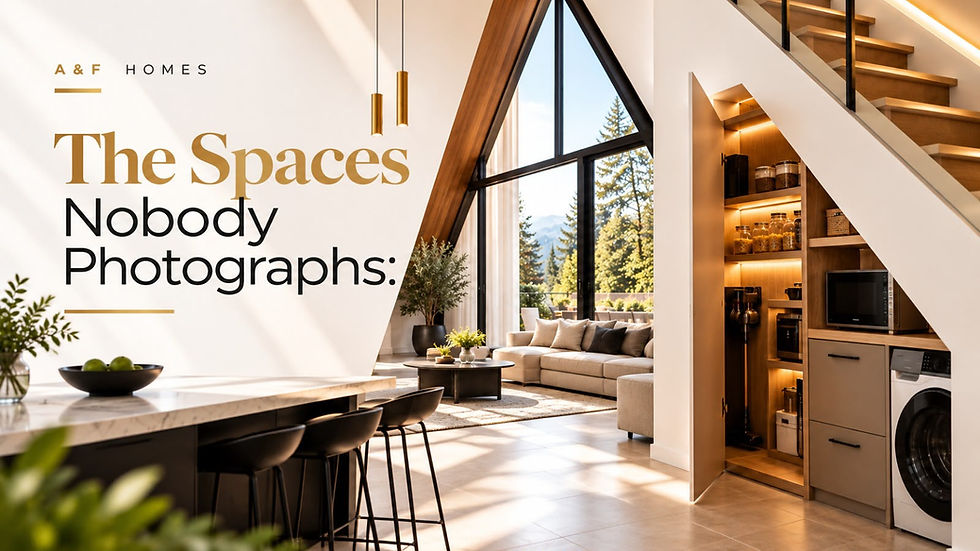
A living room overlooking an attractive landscape might benefit from broad glazing and a seating arrangement that faces outward.
A bedroom might be positioned to capture a peaceful garden rather than a busy access road.
A dining area could open onto a courtyard, making an ordinary meal feel more connected to the outdoors.
In each case, the view influences more than the window. It affects furniture placement, circulation, room orientation and the way people use the space.
The architecture begins to respond to the experience it is intended to create.
4. A beautiful view must still work in real life
Good architecture balances visual appeal with practical performance.
Large windows can bring in daylight and strengthen the connection to the landscape, but they must also be considered in relation to solar heat gain, glare, privacy, ventilation and cleaning access.
In Kenya, where site conditions and sun exposure vary considerably, the direction a window faces can influence indoor comfort.
Shading, roof overhangs, appropriate glazing and the positioning of openings can help manage direct sunlight and heat.
Privacy matters too. A stunning window is less successful if it exposes a bedroom or living area to neighbouring properties.
The objective is not simply to bring the outside in. It is to decide how much of the outside belongs in each space, and under what conditions.
5. What if the best view is not there yet?
Not every plot comes with an impressive landscape.
Some overlook neighbouring buildings. Others face roads, unfinished developments or close boundary walls.
This does not mean the design must surrender to its surroundings.
An architect can create an internal courtyard, introduce a planted garden, screen an unattractive boundary or redirect the main living spaces towards a more private part of the site.
High-level windows can capture daylight and sky while maintaining privacy. Carefully placed openings can draw attention towards a feature within the compound rather than an undesirable view beyond it.
In other words, architecture can do more than frame an existing view. It can create one.
6. Think about the view before you build
Before finalising a house plan, consider walking through the proposed spaces in your imagination.
Where will you look when you wake up? What will you see while preparing breakfast? What will be visible from your favourite seat in the living room?
Consider the views from standing and seated positions, the changing light throughout the day and the possibility that neighbouring developments may alter the surroundings in future.
These questions can reveal opportunities that a floor plan alone may not communicate.
A site visit, an understanding of the surrounding landscape and a thoughtful architectural design can help turn those opportunities into lasting features of the home.
The architecture of what you see
A home is experienced from the inside as much as it is admired from the outside.
The proportions of a room matter. The quality of its finishes matters. But so does the way morning light falls across the floor, the garden visible from the kitchen and the landscape that greets you at the end of a long day.
These experiences are rarely accidental. They are often the result of decisions made long before the first foundation is laid.
At A&F Homes, we believe that thoughtful architecture considers not only the spaces we build, but also the views, light and surroundings that give those spaces meaning.
Because sometimes, the most memorable part of a room is not what is inside it. It is what you see when you look outside.
Planning to build? Let A&F Homes help you turn your site, your surroundings and your ideas into a considered architectural design.


Comments